
I. Introduction
At the intersection of tradition, state and federal law and the National Collegiate Athletic Association (“NCAA”), a resolution needs to be reached as to the compensation of student-athletes. The compensation of student-athletes has long been ignored in college athletics, but it appears 2020 will be the year that it rises to the forefront.[1] Under the current system, student-athletes are not permitted to receive additional compensation outside of any scholarship they received from their school.[2] This has led to some consequences and punishments that many deem unfair.[3] From a college basketball player who was suspended from his team because he purchased a bedframe and mattress from his coach to football players that were banned for a year because they held an illegal autograph session, the NCAA is finally being challenged on this issue.[4]
In 2019, California became the first state to officially challenge the student-athlete compensation model.[5] Governor Gavin Newsom signed the landmark “Fair Pay to Play Act” into law in September 2019.[6] It did not take long for other states to hear about this victory and quickly propose their own legislation – including Maryland.[7] However, Delegate Brooke Lierman went even further.[8] Delegate Brooke Lierman created a bill that reflected her view of how to properly protect student-athletes.[9] The bill included extended insurance coverage, the right to collectively bargain for scholarship terms, and the addition of an independent advocate. [10]
The NCAA responded, in turn, with eight guidelines and the promise of a more inclusive rule by the end of 2020.[11] The seriousness in which it views the legislation and the changing model of college athletics remains to be seen.[12] While the NCAA chose to delay its decision until 2021,[13] lawmakers in Washington appear poised to draft legislation themselves.[14] Student-athlete compensation is an issue with bipartisan interest, as members of both major political parties have suggested passing a bill to allow student-athletes the right to profit off of their image and likeness.[15]
Finally, there is a risk that the NCAA will go to court to prevent such legislation from being enacted.[16] The NCAA will almost certainly attempt to use the dormant commerce clause in its defense. Already, the NCAA has threatened to disqualify athletes that receive compensation under California’s new law.[17] Federal legislation appears to be the best solution since it is highly unlikely that the NCAA is willing to change its own rules and even more unlikely that the NCAA accepts and supports a system where each state has its own version of how to compensate student-athletes.[18]
Part II of this comment details a historical background of college athletics, the evolution of the student-athlete, and the landmark cases that discuss how the NCAA and student-athletes interact in 2020.[19] Part III illustrates various student-athlete compensation models and the conflict between state legislation and the NCAA.[20] It will also provide an explanation for how this problem relates specifically to Maryland law.[21] Finally, Part IV analyzes possible solutions, such as state or federal legislation or an overhaul of NCAA policy.[22]
II. Historical Development
A. A Historical Background of College Athletics and the “Student-Athlete”
While athletic competition at the collegiate level began in 1852, the NCAA did not become the regulatory body for college sports until 1906.[23] Despite the NCAA’s existence for nearly forty years, it did not gain enforcement powers[24] until 1942.[25] A fundamental principle of the NCAA was coined in the 1950s to combat workmen’s compensation claims: the use of the term “student-athlete.”[26] Pursuant to the NCAA bylaws, this term is defined as “one who engaged in athletics for the education, physical, mental, and social benefits he derives therefrom, and to whom athletics is an avocation.”[27]
The use of the term “student-athlete” would prove fruitful for the NCAA, beginning with a case involving a college football player’s widow filing for workmen’s compensation death benefits.[28] In this case, Ray Dennison, a football player for Fort Lewis A&M College, was fatally injured in the course of a football game on September 24, 1955.[29] As a scholarship athlete, his widow consequently filed under the Workmen’s Compensation Act seeking death benefits.[30] The Supreme Court of Colorado ultimately ruled against the plaintiff and held that Ray Dennison’s widow was unable to recover because the college was “not in the football business.”[31] A later case, Waldrep v. Texas Employers Ins. Ass’n, granted an award of workers’ compensation benefits to a Texas Christian University football player who had suffered a paralyzing injury in a 1974 football game.[32] The Court of Appeals reversed the lower court’s award of workers’ compensation benefits and reinforced student-athletes as amateurs.[33] The court ruled that the acceptance of a scholarship is not sufficient to show an employer-employee relationship.[34] It is clear that the use of this term has allowed the NCAA to dance around potential liability in cases which relied on an employer-employee relationship, such as workers’ compensation.[35]
The use of the term “student-athletes” as a defense for the NCAA has sparked debate among critics.[36] One such critique, by author Taylor Branch, asserts the term was intentionally ambiguous and coined so:
College players were not students at play (which might understate their athletic obligations), nor were they just athletes in college (which might imply they were professionals). That they were high-performance athletes meant they could be forgiven for not meeting the academic standards of their peers; that they were students mean they did not have to be compensated, ever, for anything more than the cost of their studies. Student-athlete became the NCAA’s signature term, repeated constantly in and out of courtrooms.[37]
While the NCAA has prevented student-athletes from becoming employees, revenue is growing at a tremendous rate.[38] In the ten years between 2005 and 2015, revenue from the “Power Five Conferences” has grown 266 percent.[39] This growth has led to an increase in coaching salaries where football coaches earned a combined $405.5 million across the five conferences for 503 employees, and yet the 4,979 football players “earned” a total of only $179.8 million in scholarship money.[40]
In light of this, there have been attempts to provide student-athletes with a larger share of the massive revenue.[41] Recent measures have allowed stipends to cover the full cost of attendance, unlimited meals and the PAC-12 Conference now allows for medical expenses to be covered by institutions for up to four years following an injury in competition.[42] While seen as a step in the right direction, state legislatures took notice of this apparent exploitation and began to look at possible legislative solutions.[43]
Two other recent cases are integral to understanding the dynamic between state and federal law, the NCAA and its athletes. The first of these cases is O’Bannon v. Nat’l Collegiate Athletic Ass’n.[44] In O’Bannon, college basketball and football athletes brought suit because their name, image, and likeness had been used in video games without their approval and without compensation.[45] The plaintiffs argued that restricting the ability to be compensated for their name, image, and likeness was not in accordance with the Sherman Act and therefore, an antitrust violation.[46] However, the Ninth Circuit held that the NCAA’s rules were more restrictive than necessary to preserve the spirit of amateurism but that athletes were to only be compensated for the full cost of attendance.[47] Finally, Bd. of Regents of Univ. of Okla., is largely considered to be the governing case on issues involving amateurism in college sports.[48] The underlying issue in this Supreme Court case was whether the NCAA could limit the number of games a school could license for broadcast on television.[49] The Supreme Court held that rules and restrictions made in the interest of preserving amateurism are consistent with the Sherman Antitrust Act.[50] The Sherman Antitrust Act of 1890 is a “comprehensive charter of economic liberty aimed at preserving free and unfettered competition.”[51] “Athletes must not be paid, must be required to attend class, and the like,” to “preserve the character and quality of the product.”[52] Over the past thirty years, courts have shown great deference to the NCAA when it comes to rules and regulations that deal with the compensation of athletes and the preservation of amateurism.[53]
B. California’s “Fair Pay to Play Act”
California became the first state to pass legislation to compensate student-athletes.[54] After years of research, California state senator Nancy Skinner drafted Senate Bill 206 with the intention of creating a “more equitable environment for college athletes.”[55] This bill, colloquially referred to as the “Fair Pay to Play Act”, allows for student-athletes to hire agents and receive payment for endorsements.[56] In other words, this bill bypasses the NCAA’s prohibition of compensation for “name, image, and likeness.”[57] The Fair Pay to Play Act passed through the California Senate and Assembly and was signed by Governor Gavin Newsom in the fall of 2019 and goes into effect in 2023.[58] Despite this victory, Senator Skinner was disappointed as her ultimate goal was to allow the college athletes to collect a share of the revenue that they helped generate.[59]
C. The Maryland Approach to Compensating Student-Athletes
Perhaps inspired by Senator Nancy Skinner’s efforts in California, Delegate Brooke Lierman served as lead sponsor for the introduction of House Bill 548.[60] Maryland House Bill 548 (“H.B. 548”) would provide college athletes the ability to profit off of their name, image, and likeness, much like its Californian counterpart.[61] The bill was proposed in response to the tragic death of University of Maryland football player Jordan McNair.[62] Del. Lierman’s bill adds an interesting twist; student-athletes would also be given the ability to collectively bargain in the form of scholarship term negotiations. Additionally, student athletes would receive short and long-term health and disability insurance benefits and they would gain an independent student-athlete advocate.[63]
The bill itself does not mandate that universities pay their student-athletes beyond their scholarships.[64] However, critics say that giving the athletes the ability to negotiate would open the door to negotiations for money from the school.[65] Unlike the “Fair Pay to Play” Act, H.B. 548 did not pass in its first attempt through the General Assembly. However, Del. Lierman remains positive[66] as she and eighteen cosponsors will continue to advocate for college athletes in the state of Maryland through legislative action.[67]
D. How Other States Have Handled Similar Legislation
A large number of states have introduced or are working on bills to provide a more equitable approach to student-athlete compensation.[68] Florida has introduced House Bill 251, New York has been applauded for its aggressive Senate Bill 6722 which was introduced in 2019, Washington’s proposal is titled House Bill 1084 and Illinois has House Bill 3904.[69] As for the 2020 session, Colorado, Kentucky, Minnesota, Nevada, Pennsylvania, South Carolina and Connecticut are all expected to introduce legislation that replicates or extends further than the “Fair Pay to Play Act”.[70]
New York, in particular, has been aggressive in its approach to provide compensation resources for athletes.[71] This bill would require that institutions establish an injured athletes fund for students that suffer career ending or long-term injuries during a game or practice, paid out upon graduation.[72] Further, the bill would require colleges take fifteen percent of all revenue from ticket sales and disperse it equally among the student-athletes at the school.[73]
E. Federal Action on Name, Image, and Likeness
Rep. Anthony Gonzalez, a former Ohio State football player and current Ohio Congressman, has expressed interest in bringing federal legislation that would apply to college athletes across the country with an expedited activation plan.[74] Rep. Gonzalez is not the only Congressman with a plan for federal change. Rep. Mark Walker, of North Carolina, is working on H.R. 1804 (the “Student-Athlete Equity Act”) that would allow for athletes to profit off of their name, image, and likeness.[75] Although supporters believe that state action is important and meaningful, the best course of action uses federal pressure on the NCAA.[76]
F. The NCAA’s Response to Legislative Movements
The NCAA contends that the Fair Pay to Play Act is unconstitutional and would result in the disqualification of California athletic programs from NCAA competition.[77] Further, in an October 29, 2019 press release, the NCAA outlined its approach to designing a more modern rule for compensating its athletes.[78] A committee will reconvene on January 1, 2021 to create a rule that abides by their eight parameters.[79]
These parameters are:
1) assure student-athletes are treated similarly to non-athlete students unless a compelling reason exists to differentiate, 2) maintain the priorities of education and the collegiate experience to provide opportunities for student-athlete success, 3) ensure rules are transparent, focused and enforceable and facilitate fair and balanced competition, 4) make clear the distinction between collegiate and professional opportunities, 5) make clear that compensation for athletics performance and participation is impermissible, 6) reaffirm that student-athletes are student first and not employees of the university, 7) enhance the principles of diversity, inclusion and gender equity, and 8) protect the recruiting environment and prohibit inducements to select, remain at or transfer to a specific institution.[80]
This release can be interpreted as the NCAA’s response to enormous outside pressure both from state and federal legislatures, as well as from the general public.[81] While the actual rule developed by the NCAA is unknown, these parameters provide sufficient guidance and instruction as to what rule the public can expect in 2021. Maryland is at a crossroads with how to comply with the NCAA’s guidelines on name, image, and likeness while also adding measures to protect its own student-athletes.
III. Problem: Maryland Finds itself at an Intersection Between NCAA Rules, Pending Federal Action and Its Own Legislation
A. Maryland’s Current Position with House Bill 548 and its Potential to Impact Student-Athlete Eligibility in NCAA Sanctioned Events
The state of Maryland and its institutions competing in NCAA athletics, finds itself in a precarious position. The problem they face surrounds the proposed student-athlete compensation bill, H.B. 548 and its divergence from current NCAA rules.[82] On its face, H.B. 548 appears to be in clear violation of the NCAA’s guidelines and policies, thus jeopardizing its standing in NCAA sanctioned sporting events.[83] The problem is that Maryland’s institutions may wind up disqualified, unable to participate in NCAA sanctioned events if the necessary precautions are not taken.[84]
The NCAA has threatened to disqualify institutions from competition if the state legislature passes laws in conflict with their rules and regulations.[85] As discussed, the NCAA will be announcing its new rules for student-athletes at the beginning of 2021.[86] At this time, it is unclear what will happen to state legislation that has been passed and conflicts with this NCAA decision.[87] It is likely that the NCAA will challenge these actions in court and through expulsion or banishment from the institution and its sport competitions.[88] Maryland must take certain precautions, such as drafting a student-compensation bill with fair consideration of the NCAA’s intentions in light of its guidelines, while delaying the enaction of such a bill, to ensure Maryland institutions are not barred from competition. The solution section of this comment will set forth the potential pitfalls of legislative action by individual states, including Maryland, how federal legislation is the most logical solution and provides a potential example of such action.[89]
B. Maryland Must Prepare for, and Expect the Worst From the NCAA
A satisfactory resolution of this problem from the NCAA seems highly unlikely. Despite setting the groundwork for a rule that loosens restrictions on the rights of student-athletes, NCAA president Mark Emmert referred to California’s “Fair Pay to Play Act” as “unconstitutional” and remained committed to disqualifying student-athletes who received compensation under the freedoms granted by the new legislation.[90] That being said, the NCAA has contacted California lawmakers and singled out specific parts of the bill that it sees as a problem.[91] Maryland, much like California, has legislation that appears in conflict with the NCAA rules for member organizations.[92] Obscurity and ambiguity of the NCAA’s press release in October of 2019 only complicates the issue and puts athletic teams in jeopardy whether the legislation is challenged in court or teams are outright banned from competition.[93] The NCAA published eight guidelines for its potential 2021 resolution to this problem, but these guidelines are vague and ambiguous, providing proactive states with little help.[94]
C. The Fundamental Disparity Between the NCAA’s Guidelines and the Current Language of H.B. 548 Would Likely Result in a Conflict with the NCAA
When assessing H.B. 548, it is likely the NCAA will first scrutinize the right of the student-athlete to use his/her image and likeness as means for compensation.[95] As non-student athletes are currently able to profit off of their image and likeness, it stands to reason that this will not be an issue in terms of how students are treated.[96] A primary concern could be whether this blurs the proverbial line as to what constitutes a “collegiate” or “professional” opportunity.[97] If H.B. 548 were more specific as to where these activities could take place, such as off campus only, or if the bill specified that such ventures could only happen during the offseason of the student-athletes’ sport, there is a chance the NCAA may be more amenable on this measure.
When looking at H.B. 548, there appears to be two other areas of concern with granting student-athletes the right to use their image and likeness for profit: recruiting fairness and gender equity.[98] Enhancing the principles of diversity, inclusion, and gender equity is a derivative of Title IX.[99] Allowing student-athletes to profit off of name, image, and likeness is a Title IX concern, as most of the compensation will be given to the superstar players of the most popular sports.[100] While the “most popular sports” vary by institutions, the vast majority of college sports programs are dominated by football and men’s basketball.[101] As such, the endorsements will likely be largely focused on players in these sports. This could be detrimental to the gender equity seen in the current landscape of college athletics. A lesser concern is the recruiting advantage that could be gained by institutions in larger markets and the available endorsement money.[102] Should student-athletes be given the right to profit off of their image and likeness, it stands to reason that they will factor into their decision the amount of potential sponsors in the market they will spend the next few years.[103] University of Maryland’s Athletic Director, Damon Evans, downplays this benefit and says that recruiting advantages are inherent under any system, as schools across the country operate under different budgets, sometimes separated by tens of millions of dollars.[104]
Notably, H.B. 548 also proposes the installation of an independent student-athlete advocate.[105] On its face, this creative part of the bill raises little to no concern when compared with the NCAA’s guidelines.[106] The chief concern that may be raised on this issue is that non-athlete students are not given their own advocates. The rebuttal from Del. Lierman would likely be in the form of student government opportunities and other campus representative groups. Overall, it is unlikely that the independent student-athlete advocate causes any issues as the principle feature of the NCAA’s guidelines is the equal treatment of all college students, athletes or otherwise.[107]
The next concern with H.B. 548 is short and long-term disability insurance.[108] While there are no diversity or gender issues to be discussed, this extended insurance could raise concerns about student-athletes being employees of the institution, the treatment of non-athletes when compared to student-athletes, and in the event that all schools across the country do not have this policy, creating an unfair recruiting advantage.[109] Because the focus of the NCAA appears to be on competitive fairness and recruiting plays a significant role in the level of talent on college teams, the NCAA may take exception to this aspect of H.B. 548.[110] However, improving health care for college athletes is already an important issue getting national recognition.[111] It is likely that this aspect of the bill will also be considered by the NCAA and ultimately poses little concern for the eligibility of Maryland student-athletes.[112]
Finally, the NCAA will likely concern itself with H.B. 548’s provision to give student-athletes the right to the collective bargaining of scholarship terms.[113] This subsection may cause the greatest concern for athlete eligibility. First, it appears to be a direct violation of the NCAA’s policy to keep student-athletes from being treated as employees of the institution — a policy affirmed through the courts.[114] The right to collective bargaining will eventually lead to student-athletes demanding to be paid directly by the university.[115] This concern is something many consider to be an unintended, but unavoidable consequence of H.B. 548.[116] While California’s “Fair Pay to Play Act” allows for student-athletes to be paid for their image or likeness, this part of Maryland’s bill would call for institutions to pay its players directly.[117] This destroys the amateurism model and is something that the NCAA will almost certainly never approve.[118] Because of this concern, it is unlikely that Maryland institutions will remain eligible to compete in NCAA events should H.B. 548 be passed in 2020.
D. In the Event of Individual State Legislation, The NCAA Must Avoid Dealing Punishments Too Hastily
As the governing body for collegiate athletics, the NCAA finds itself in a position to change the entire atmosphere of college sports.[119] The NCAA’s release on the subject suggests that there is some willingness by the organization to take a somewhat proactive approach to the issue.[120]
However, the NCAA’s president, Mark Emmert, warns of the troubles associated with the sponsorship models that these bills advocate for.[121] If the NCAA was unhappy with the results of individual states, there are several avenues of recourse for it to consider. Perhaps the most favorable would be the dormant commerce clause which prohibits state actors from enacting legislation that would disrupt or discriminate against interstate commerce.[122] In NCAA v. Miller, the NCAA challenged a Nevada law that extended due process protections for student-athletes accused of NCAA rules violations.[123] Ultimately, the Court of Appeals for the Ninth Circuit deemed the Nevada law unconstitutional under the dormant commerce clause.[124]
The NCAA can point to the impact of game broadcasting, merchandise sales, and interstate travel for games and events as examples of interstate commerce being disrupted by state legislation.[125] One example of this is California’s “Fair Pay to Play” Act.[126] The NCAA has taken this approach before and has done so with moderate success.[127]
The NCAA should be mindful, however, that the individual states are also armed with defense mechanisms. Maryland’s law could be a problem as it could turn into a legal battle.[128] For example, should Maryland’s H.B. 548 pass and the NCAA challenged its legitimacy, or if the NCAA tried to disqualify athletes from Maryland institutions, Maryland has the weapon of an antitrust lawsuit. One of the most established methods for challenging private entities with immense power, the antitrust lawsuit, stems from the Sherman Antitrust Act of 1890.[129] By enacting a ban on a states’ athletes, the NCAA is participating in monopolistic action.[130] An antitrust lawsuit in this situation would likely carry a similar outcome to that of Bd. of Regents of the Univ. of Okla.[131] In Bd. of Regents of the Univ. of Okla., the Supreme Court held that the NCAA’s control over television rights violated the Sherman Antitrust Act.[132] The Supreme Court does make note that the NCAA has the power to make rules related to its mission of promoting amateur athletics.[133]
The NCAA ultimately does have the power to disqualify athletes from states with compensation rules that it does not welcome.[134] The NCAA also has the ability to challenge legislation passed by these states, presumably on dormant commerce clause grounds.[135] However, the NCAA needs to carefully consider this action as challenging legislation would cause backlash from states in the form of antitrust lawsuits.[136] The NCAA has not traditionally fared well in these lawsuits and would presumably like to avoid the hefty fine that accompanies a violation of the Sherman Antitrust Act of 1890.[137] Even so, the NCAA would likely retaliate if any such legislation conflicts with its own rules and regulations as fifty different laws for fifty different states is an infeasible solution to this problem.[138] If the federal government does get involved, states would then have to worry about preemption regarding their legislation versus any legislation passed by the federal government.[139]
IV. Solution: Maryland’s Legislation Should be Viewed as a Backup Plan as The Real Power Rests with the NCAA and the Federal Government
The first step of this solution will examine the implications of Maryland approving legislation to give student-athletes the ability to profit from their name, image, and likeness, as well as the extended rights afforded by H.B. 548. The second step of this analysis will show that federal legislation is not only the most logical solution, but the only way to make a real impact in the world of collegiate athletics on this issue.
A. Maryland has Little Chance to Enact Real Change
Maryland finds itself in an interesting position. Its lawmakers want to better protect the state’s student-athletes but its institutions risk disqualification if the NCAA finds that this protection exceeds what it is willing to offer.[140] Maryland legislators have crafted one of the most progressive student-athlete bills that would change the way student-athletes are viewed forever.[141] The NCAA’s ultimate decision on a rule for the compensation of athletes endangers any progress made by individual states, such as Maryland.[142] Maryland H.B. 548, and lead sponsor Del. Lierman, has the potential to protect and compensate student-athletes on numerous fronts.[143] In a courageous attempt following the tragic death of one of the University of Maryland’s football players, student-athletes would receive the ability to profit off of their name and likeness, the right to unionize to negotiate scholarship terms, added insurance benefits, and a student advocate to campaign on their behalf.[144]
Perhaps, like California, Maryland lawmakers could consider an extended start date for H.B. 548, should it pass.[145] If this is the case, the extended period would allow for the NCAA to publish its rule on name, image, and likeness compensation, and for the individual states to repeal or continue their legislation in light of having the complete NCAA decision.[146] Maryland would carry lesser risk that their rule on the issue would be in conflict with the NCAA, thus jeopardizing student-athlete eligibility.[147] At the very least, extending the commencement date would give time for other jurisdictions to play “catch up”, hopefully passing similar legislation.[148] The more states that are able to pass similar legislation, the less likely the NCAA will disqualify student-athletes from participation in sanctioned events.[149]
While an effective passage of H.B. 548 will likely require an extended start period, it is also imperative that Maryland lawmakers such as Del. Lierman consider the eight guidelines the NCAA published on October 29, 2019.[150] The NCAA’s rule has yet to be determined and will not be known for another year, yet legislators must consider these guidelines to ensure compliance, or significant compliance, with this rule. Del. Lierman, and other sponsors of H.B. 548 will have to deal with significant ambiguity from the NCAA.[151] In undergoing an analysis of H.B. 548, the eight factors laid out by the NCAA can be used to critique the four main parts of the bill.[152] These four parts are: scholarship negotiation, disability insurance, use of image and likeness, and an independent student athlete advocate.[153] If the Maryland legislature is serious about protecting the rights of its student-athletes and wishes to avoid retribution from the NCAA, it must ensure that its rule reasonably and substantially complies with these guidelines.[154] It appears that while Del. Lierman has the right idea for improving the treatment of Maryland’s student-athletes, H.B. 548 in its current form likely violates the guidelines set forth by the NCAA and Maryland’s athletes could potentially face disqualification, if enacted.[155] The Maryland rule for student-athlete rights would almost certainly need to remove any parts involving treating these individuals as employees of the institutions for which they compete, such as long-term disability insurance and the right to negotiate scholarship terms.[156] If H.B. 548 was revised, the right to collectively bargain would almost certainly need to be removed as the NCAA is steadfastly opposed to treating student-athletes as employees.
In light of Title IX concerns and recruiting advantages, legislators should choose to err on the side of specificity. While the current bill lacks any specific limits regarding name, image, and likeness compensation, a provision which caps the amount of money an individual student-athlete is able to earn in a given year would assuage many concerns over unfair treatment.[157] Likewise, the more ambiguous provision in H.B. 548, the independent student-athlete, could be defined more thoroughly as to avoid any conflict or perception of conflict with the NCAA’s guidelines.[158] Of course, Maryland’s bill should only act as a backup plan should the NCAA or the federal government fail to pass any meaningful changes.[159] That being said, lawmakers should be sure to err on the side of caution when amending H.B. 548 as to not find its institutions in violation of the NCAA’s rules.
B. National Problem, Federal Solution?
The problem presented with the compensation of student-athletes certainly affects Maryland, but it also has major ramifications for the rest of the country. However, it is unlikely that fifty solutions for fifty states is adequate. Rather, a more complete solution could be reached by the federal government. This point was discussed by NCAA president, Mark Emmert.[160] While federal government intervention has previously been ridiculed by NCAA decision makers, Emmert has sought assistance from several members of Congress.[161] Emmert understands that, while running college sports from Washington, D.C. is impractical and undesirable, assistance from federal lawmakers is much preferred when compared to the reality of fifty different state laws.[162] The federal government also has a handy tool at its disposal: preemption.[163] This means that if the federal government passes legislation on this issue, the state legislations in conflict with this decision would no longer be valid.[164] This would also pertain to any NCAA rule or regulation set forth that does not agree or coincide with the federal action.[165]
While federal government intervention in college athletics is rare, it is not without precedent. Dating back to the earliest days of college sports, the federal government has played a fairly significant role in the success and regulation of the college landscape.[166] One of the first such instances was President Theodore Roosevelt’s rally of college football minds to stop the abolition of the game from the ranks of college sports.[167] Yet another instance, and perhaps a much larger example, was the passage of federal civil rights law, Title IX, in 1972.[168] Calling gender equity a similar issue to student-athlete compensation would be asinine. However, Title IX does provide an example of the federal government acting and passing legislation which impacts the NCAA on an issue of great importance. The NCAA did file a lawsuit challenging the legality of Title IX, but the lawsuit was promptly dismissed.[169] The Title IX legislation and adoption by the NCAA is proof of the federal government’s willingness and ability to inflict change on the private institution when the issues are of great importance.[170] Having federal legislation on the books would assist in smoothing discrepancies from various jurisdictions while also serving as a strong antagonist to rebut the NCAA.[171]
C. Constructing Model Federal Student-Athlete Bill
The federal government is clearly the best avenue for enacting any meaningful change in this field. As such, it is likely that federal legislators will look to provide a compromise of sorts between the progressive states and the NCAA which seeks to keep as much of the status quo and “tradition” as possible.[172] The bill would need to provide student-athletes the ability to receive compensation for their name, image, and likeness while simultaneously providing the NCAA with an enforceable remedy for any infraction.[173] An appropriate compromise at the federal level would lay out distinct examples of what is compensable and alternatively, what is not.[174] Furthermore, sports law scholar Richard Karcher suggests that a mandatory arbitration provision be added to such legislation as well as the right to enjoin through civil action by the state or by the student-athlete.[175] Federal legislation would serve as a compromise between individual states and the NCAA, while avoiding eligibility and lawsuit concerns that would likely result at the state level.[176]
D. The NCAA’s Role
Much like the federal government, the NCAA can enact change that has a much larger reach than any individual state.[177] The NCAA has considered individual state legislation such as the bill that was passed in California and considers such legislation unconstitutional.[178] However, with the risk of ongoing legal battles with any number of the fifty states, it does not appear that the NCAA wants to pursue such a strategy.[179] Rather, the NCAA has shown deference to federal legislators on this issue.[180]
V. Conclusion
The NCAA was faced with immense pressures when deciding to release the now infamous press statement outlining a potential solution to the image and likeness problem. It has maintained that California’s “Fair Pay to Play Act” is unconstitutional and has threatened disqualification for California institutions as well as possible lawsuits. The conflict between the NCAA and local legislatures is not a problem to be solved on a state by state basis: a uniform rule is necessary. As such, the best possible solution to the image and likeness problem in college sports is federal legislation that equalizes the environment of collegiate athletics and provides one clear and concise rule that prevents any state from gaining an advantage or risking disqualification.
The federal government has shown a willingness to intervene in college athletics when necessary and, more importantly, courts have supported such an imposition on the NCAA. The best possible solution is a federal bill that gives student-athletes the right to profit off of their image and likeness, just like the California bill without going as far as giving student-athletes the right to collectively bargain, as proposed in Maryland’s H.B. 548. Federal legislation like this would give student-athletes the right to be compensated for their name, image, and likeness as would any other college student, while also preserving the spirit of amateurism that lies at the heart of college athletics.
In the event that Maryland legislators wish to pass a bill on this issue, it seems that the best possible solution would only include compensation for name, image, and likeness, and the independent student-athlete advocate. Such a bill should be passed with an enactment date well into the future, no earlier than January 1, 2023, so as to avoid any possible conflict with the NCAA and the legal ramifications that would undoubtedly follow.
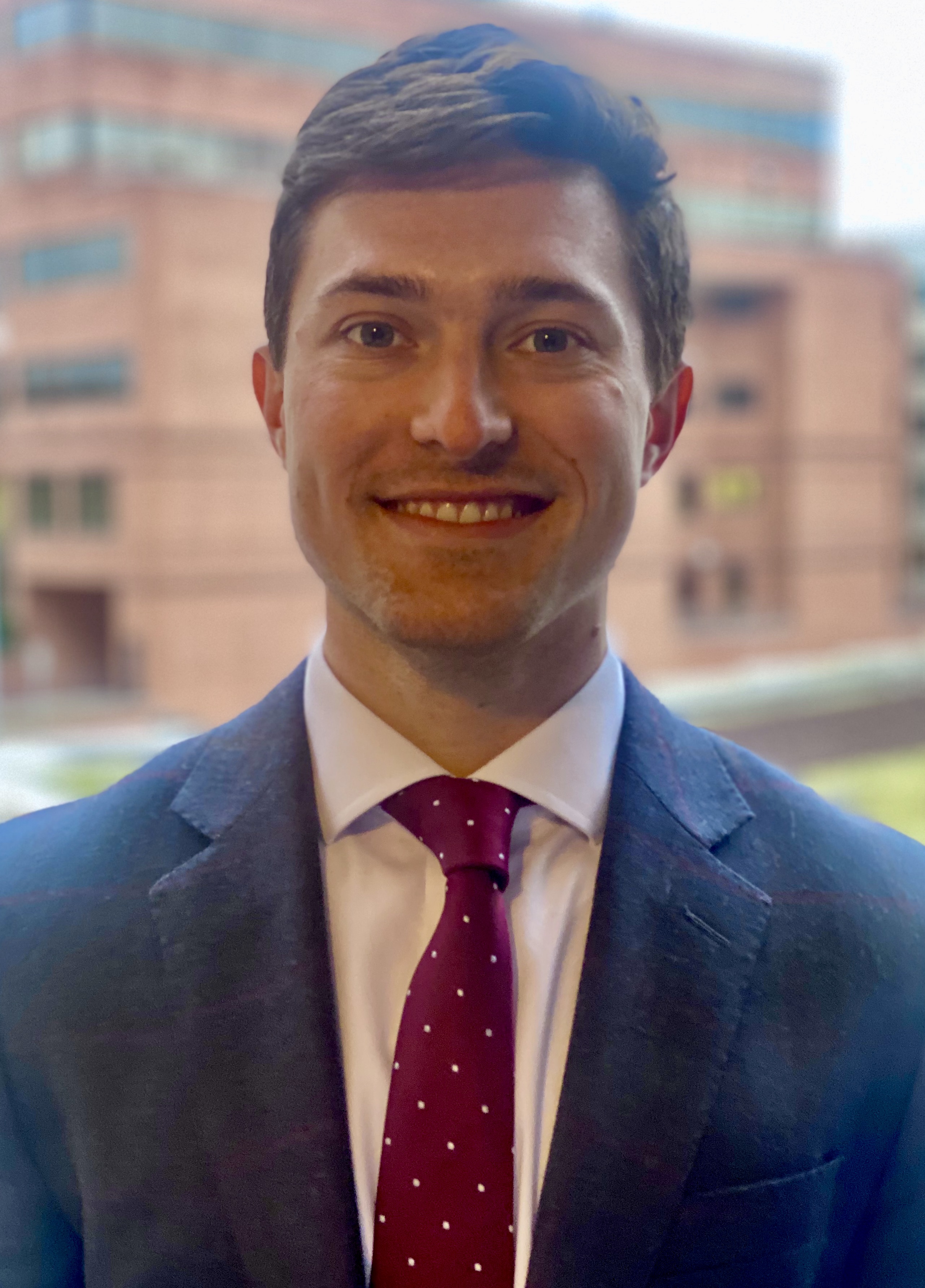
Ryan Maher is a third-year day student at the University of Baltimore School of Law and serves as an Articles Editor for Law Forum. During his time at UB, he was involved in the Community Development Clinic as a Rule-19 student attorney. Prior to law school, Ryan graduated from University of Maryland, College Park, where he majored in economics. He currently works as a law clerk in the Circuit Court for Baltimore County. Ryan will graduate in May 2021 and hopes to pursue a career in business law.
[1] Thomas Barrabi, NCAA Athlete Pay Debate: Why a Political Showdown is Coming in 2020, Fox Bus. (Jan. 3, 2020), https://www.foxbusiness.com/sports/ncaa-athlete-pay-debate-2020-expert-predictions.
[2] Andy Uhler & Tony Wagner, What You Need to Know About the NCAA and Paying Student Athletes, Marketplace (Nov. 13, 2019), https://www.marketplace.org/2019/11/13/what-you-need-to-know-about-the-ncaa-and-paying-student-athletes/.
[3] Matt Norlander, NCAA’s Unfair 2-year Suspension for Silvio De Sousa Shows that Players, Not Coaches or Schools, are Treated Harshest, CBS Sports (Feb. 1, 2019, 9:13 PM ET), https://www.cbssports.com/college-basketball/news/ncaas-unfair-2-year-suspension-for-silvio-de-sousa-shows-that-players-not-coaches-or-schools-are-treated-harshes (Student-athletes have lost scholarships and eligibility over NCAA infractions oftentimes out of their control. For example, a University of Kansas basketball star who lost two years of eligibility because his guardian sought financial gain for his basketball services).
[4] Nick Dimengo, Dumbest Examples of Rules Violations in Sports, Bleacher Rep. (Sept. 12, 2014), https://bleacherreport.com/articles/2193344-dumbest-examples-of-rule-violations-in-sports.
[5] Jack Kelly, Newly Passed California Fair Pay to Play Act Will Allow Student Athletes to Receive Compensation, Forbes (Oct. 1, 2019, 12:36 PM ET), https://www.forbes.com/sites/jackkelly/2019/10/01/in-a-revolutionary-change-newly-passed-california-fair-pay-to-play-act-will-allow-student-athletes-to-receive-compensation/#5e3641ab57d0.
[6] Id.
[7] H.B. 548, Gen. Assemb., Reg. Sess. (Md. 2019) [hereinafter “H.B. 548”].
[8] Id.
[9] Id.
[10] Id.
[11] Steve Almasy, Wayne Sterling & Angela Barajas, NCAA Says Athletes May Profit from Name, Image and Likeness, CNN (Oct. 29, 2019, 5:19 PM ET), https://www.cnn.com/2019/10/29/us/ncaa-athletes-compensation/index.html.
[12] Id.
[13] See id.
[14] Jenna West, Congressman Anthony Gonzalez Proposes Federal Fair Pay to Play Act, Sports Illustrated (Oct. 2, 2019), https://www.si.com/college/2019/10/02/anthony-gonzalez-federal-bill-pay-college-athletes.
[15] Id.
[16] See infra Part III.
[17] See Peter O’Dowd, NCAA Threatens to Bar California Colleges From Competitions Over Student Athlete Pay, WBUR (Sept. 13, 2019), https://www.wbur.org/hereandnow/2019/09/13/ncaa-california-college-athletics.
[18] See generally Justin W. Aimonetti & Christian Talley, Why and How Congress Should Preempt State Student-Athlete Compensation Regimes, 72 Stan. L. Rev. 28 (2019).
[19] See infra Part II.
[20] See infra Part III.
[21] See infra Part III.B.
[22] See infra Part IV.
[23] Richard Johnson, Even the First College Sporting Event in the United States Involved Cheating, SB Nation (Feb. 24, 2018), https://www.sbnation.com/college-basketball/2018/2/24/17042498/first-ncaa-college-sporting-event-cheating (President Theodore Roosevelt oversaw the establishment of an investigative body to explore the deaths of several college football players. This body was originally called the Intercollegiate Athletic Association of the United States before it was renamed the National Collegiate Athletic Association in 1910).
[24] Id.
[25] Dan Treadway, Why Does the NCAA Exist?, Huffpost (Aug. 06, 2013, 1:39 PM ET), https://www.huffpost.com/entry/johnny-manziel-ncaa-eligibility_b_3020985 (NCAA participation is entirely voluntary and at the discretion of each individual school. Participating schools gave enforcement powers and stayed in the NCAA in large part due to massive television revenue shares distributed to each member institution.).
[26] Jon Solomon, The History Behind the Debate Over Paying NCAA Athletes, Aspen Inst. (Apr. 23, 2018), https://www.aspeninstitute.org/blog-posts/history-behind-debate-paying-ncaa-athletes/.
[27] Waldrep v. Texas Emp’r Ins. Ass’n, 21 S.W.3d 692, 695-98 (Tex. App. 2000).
[28] State Comp. Ins. Fund v. Indus. Com’n, 314 P.2d 288 (Colo. 1957).
[29] Id. at 289.
[30] Id.
[31] Id. at 290.
[32] See Waldrep, 21 S.W.3d at 695-97.
[33] Id. at 700 (“To maintain intercollegiate athletics as an integral part of the educational program and the athlete as an integral part of the student body and, by doing so, retain a clear line of demarcation between college athletics and professional sports.”).
[34] Id. at 702.
[35] Jared Wade, How the NCAA Has Used the Term “Student-Athlete” to Avoid Paying Workers’ Comp Liabilities, Risk Management Monitor (Sept. 13, 2011), https://www.riskmanagementmonitor.com/how-the-ncaa-has-used-the-term-student-athlete-to-avoid-paying-workers-comp/.
[36] Taylor Branch, The Shame of College Sports, Atlantic (Oct. 2011), https://www.theatlantic.com/magazine/archive/2011/10/the-shame-of-college-sports/308643/.
[37] Id.
[38] Archives of NCAA Revenues and Expense Reports by Division, NCAA (2019), http://www.ncaa.org/about/resources/research/archives-ncaa-revenues-and-expenses-reports-division.
[39] Solomon, supra note 26, (“Power Five Conferences” – SEC, Big Ten, Big 12, ACC, PAC-12).
[40] Id.
[41] Id.
[42] Id.
[43] Mackenzie Mays & Andrew Atterbury, How States Forced the NCAA’s Hand on Student Athlete Endorsements, Politico (Oct. 29, 2019), https://www.politico.com/states/california/story/2019/10/29/how-states-forced-the-ncaas-hand-on-student-athlete-endorsements-1226080.
[44] O’Bannon v. Nat’l Collegiate Athletic Ass’n, 802 F.3d 1049 (9th Cir. 2015).
[45] Id.
[46] Id. at 1055.
[47] Id. at 1053.
[48] See Nat’l Collegiate Athletic Ass’n v. Bd. of Regents of Univ. of Okla., 468 U.S. 85 (1984); see also O’Bannon, 802 F.3d at 1061-62.
[49] See Bd. of Regents of Univ. of Okla., 468 U.S. at 104.
[50] Id. at 120.
[51] Fed. Trade Comm’n, The Antitrust Laws (2020), https://www.ftc.gov/tips-advice/competition-guidance/guide-antitrust-laws/antitrust-laws.
[52] Bd. of Regents of Univ. of Okla., 468 U.S. at 102.
[53] Paul Haagen, Sports in the Courts: The NCAA and the Future of Intercollegiate Revenue Sports, 103 Judicature 2 (Summer 2019), https://judicature.duke.edu/articles/sports-in-the-courts-the-ncaa-and-the-future-of-intercollegiate-revenue-sports/.
[54] Alan Blinder, N.C.A.A. Athletes Could be Paid Under New California Law, N.Y. Times (Sept. 30, 2019), https://www.nytimes.com/2019/09/30/sports/college-athletes-paid-california.html.
[55] Tyler Tynes, The Ripple Effects of California’s Fair Pay to Play Act, The Ringer (Oct. 11, 2019), https://www.theringer.com/2019/10/11/20909171/california-sb-206-ncaa-pay-college-players.
[56] Jack Kelly, Newly Passed California Fair Pay to Play Act Will Allow Student Athletes to Receive Compensation, Forbes (Oct. 1, 2019, 12:36 PM EST), https://www.forbes.com/sites/jackkelly/2019/10/01/in-a-revolutionary-change-newly-passed-california-fair-pay-to-play-act-will-allow-student-athletes-to-receive-compensation/#1920b7f157d0.
[57] Id.
[58] Tynes, supra note 55.
[59] Id.
[60] H.B. 548.
[61] Id.
[62] Rick Maese, Maryland, Virginia Latest States to Consider Legislation to Compensate Student Athletes, The Wash. Post (Jan. 10, 2020, 6:38 PM ET), https://www.washingtonpost.com/sports/2020/01/10/maryland-virginia-latest-states-consider-legislation-compensate-college-athletes/.
[63] H.B. 548.
[64] Id.
[65] Bruce DePuyt, Delegate Wants Collective Bargaining Rights for Student-Athletes, Maryland Matters (Feb. 15, 2019), https://www.marylandmatters.org/2019/02/15/delegate-wants-collective-bargaining-rights-for-student-athletes/.
[66] Id.
[67] Id.
[68] Andrew Smalley, Pay for Play for College Athletes?, Nat’l Conf. of State Legis. (Sept. 30, 2019), https://www.ncsl.org/blog/2019/09/30/pay-for-play-for-college-athletes.aspx.
[69] Matt Norlander, Fair Pay to Play Act: States Bucking NCAA to let Athletes be Paid for Name, Image, Likeness, CBS Sports (Oct. 3, 2019, 5:43 PM ET), https://www.cbssports.com/college-football/news/fair-pay-to-play-act-states-bucking-ncaa-to-let-athletes-be-paid-for-name-image-likeness/.
[70] Id.
[71] Jabari Young, Florida and NY Push Bills to Compete with California’s New “Pay to Play” Law, CNBC (Oct. 24, 2019, 2:29 PM ET), https://www.cnbc.com/2019/10/24/florida-and-ny-push-bills-to-compete-with-californias-ncaa-pay-to-play-law.html.
[72] Tim Riordan, “New York Collegiate Athletic Participation Compensation Act” Gets Amended, UB Bull Run (Oct. 4, 2019, 1:15 PM ET), https://www.ubbullrun.com/2019/10/4/20898881/new-york-collegiate-athletic-participation-compensation-act-gets-amended.
[73] Id.
[74] Norlander, supra note 69.
[75] Student-Athlete Equity Act, H.R. 1804, 116th Cong. (2019).
[76] Norlander, supra note 69.
[77] Chris Bumbaca and Steve Berkowitz, NCAA Send California Governor Letter Calling Name, Likeness Bill ‘Unconstitutional’, USA Today (Sept. 11, 2019, 2:38 PM ET), https://usatodayhss.com/2019/ncaa-letter-california-fair-pay-to-play-bill-unconstitutional.
[78] Phil Harrison, NCAA Votes to “Enhance” College Athletes Ability to be Compensated for Name, Image and Likeness, Buckeyes Wire (Oct. 29, 2019, 4:30 PM ET), https://buckeyeswire.usatoday.com/2019/10/29/ncaa-enhance-name-image-likeness-compensation-pay-college-athletes/.
[79] Id.
[80] Id.
[81] Andy Kroll, Don’t Cheer the NCAA’s New Player Compensation Announcement Just Yet, Rolling Stone (Oct. 29, 2019, 4:16 PM ET), https://www.rollingstone.com/politics/politics-news/ncaa-student-athlete-compensation-california-football-basketball-905380/.
[82] H.B. 548.
[83] Steve Berkowitz, If California Bill Goes Into Effect, One AD Says Schools in State ‘won’t be Members of the NCAA’, USA Today (Sept. 26, 2019, 5:57 PM ET), https://www.usatoday.com/story/sports/college/2019/09/26/ohio-state-athletic-director-ncaa-drop-california-if-bill-passes/3778683002/.
[84] Marc Edelman, NCAA’s Threat to Ban California Colleges Could Lead to Antitrust Lawsuit Reminiscent of 1984, Forbes (Oct. 1, 2019, 8:30 AM ET), https://www.forbes.com/sites/marcedelman/2019/10/01/ncaas-threat-to-ban-california-member-colleges-could-lead-to-antitrust-lawsuit-reminiscent-of-1984/#1f9f21a91af3.
[85] Id.
[86] Erin Jordan, New NCAA Pay-For-Play Rules Could Spur Opportunities, Former Iowa Athletes Say, Gazette (Nov. 15, 2019), https://www.thegazette.com/subject/sports/pay-for-play-ncaa-fair-pay-to-play-act-pay-college-athletes-iowa-university-20191115.
[87] Michael McCann, California’s New Law Worries the NCAA, but a Federal Law is What They Should Fear, Sports Illustrated (Oct. 4, 2019), https://www.si.com/college/2019/10/04/ncaa-fair-pay-to-play-act-name-likeness-image-laws.
[88] Id.; see also Edelman, supra note 84.
[89] See infra Part IV.
[90] Dennis Dodd, NCAA Prez Calls Name, Image and Likeness Rights an ‘Existential Threat’ to College Sports, CBS Sports (Sept. 25, 2019, 9:35 AM ET), https://www.cbssports.com/college-football/news/ncaa-prez-calls-name-image-and-likeness-rights-an-existential-threat-to-college-sports/.
[91] Id.
[92] Nick Bromberg, Bill in Maryland State Legislature Would Give Athletes Right to Collectively Bargain, Unionize, Yahoo Sports (Feb. 8, 2019, 9:38 AM ET), https://sports.yahoo.com/bill-maryland-state-legislature-give-athletes-right-collectively-bargain-unionize-143852403.html.
[93] Id.; see also Edelman, supra note 84.
[94] Nick Bromberg, NCAA to ‘Immediately Consider Updates’ to Rules Surrounding Athletes’ Image Rights, Yahoo Sports (Oct. 29, 2019), https://sports.yahoo.com/ncaa-to-immediately-consider-updates-to-rules-surrounding-athletes-image-rights-174721612.html?guccounter=1&guce_referrer=aHR0cHM6Ly93d3cuZ29vZ2xlLmNvbS8&guce_referrer_sig=AQAAAJ7JNWcKne5Z8EWNWst25LwPZKcSVbEQ_e6g3_gjc3XTr3XHGn4Ug4s7L6AN_OLvk5ejfSFXLSiZzLPEuWxeGRnbfP_iDyBeOBulBrF_CfsWFlSw2hABsxPhhn3E7CjWzGowFD-Bpb1Ime7-zQ7gjOP2aC1HqjpCEXuvll8-6Uu4.
[95] Id.
[96] Dodd, supra note 90.
[97] Id.
[98] Harrison, supra note 78.
[99] Gender Equity and Title IX, NCAA, http://www.ncaa.org/about/resources/inclusion/gender-equity-and-title-ix.
[100] Kristi Dosh, Name, Image and Likeness Legislation May Cause Significant Title IX Turmoil, Forbes (Jan. 21, 2020, 1:22 PM EST), https://www.forbes.com/sites/kristidosh/2020/01/21/name-image-and-likeness-legislation-may-cause-significant-title-ix-turmoil/#101525867625.
[101] Ivan Johnson, The Most Popular College Sports in 2019, Sports Daily (July 17, 2019, 3:43 PM), https://thesportsdaily.com/2019/07/17/the-most-popular-college-sports-in-2019/.
[102] Amelia Jarecke, A Maryland Perspective on the NCAA Name, Image and Likeness Debate, Testudo Times (Dec. 12, 2019, 9:01 AM EST), https://www.testudotimes.com/features/2019/12/12/21012187/ncaa-name-image-likeness-debate-damon-evans-ellis-mckennie-taylor-mikesell-perspective.
[103] Steve Berkowitz & Dan Wolken, NCAA Board of Governors Opens Door to Athletes Benefiting from Name, Image and Likeness, USA Today (Oct. 29,2019), https://www.usatoday.com/story/sports/college/2019/10/29/ncaa-board-opens-door-athletes-use-name-image-and-likeness/2492383001/.
[104] Jarecke, supra note 102.
[105] H.B. 548.
[106] DePuyt, supra note 65.
[107] McCann, supra note 87.
[108] H.B. 548.
[109] Jarecke, supra note 102.
[110] McCann, supra note 87.
[111] Steve Berkowitz, Sen. Chris Murphy Calls for NCAA to Improve Athletes’ Health Care; Meeting with Emmert Set, USA Today (Dec. 16, 2019, 11:02 AM ET), https://www.usatoday.com/story/sports/college/2019/12/16/report-ncaa-should-pay-complete-health-care-coverage-athletes/2661767001/.
[112] Id.
[113] H.B. 548.
[114] Waldrep, 21 S.W.3d at 700.
[115] DePuyt, supra note 65.
[116] Jarecke, supra note 102.
[117] Id.
[118] Greta Anderson, NCAA Votes for Athlete Payment, Inside Higher Ed (Oct. 30, 2019), https://www.insidehighered.com/news/2019/10/30/college-athletes-permitted-be-paid-name-image-likeness.
[119] Barrett Sallee & Adam Silverstein, NCAA Takes Big Step Toward Allowing Name, Image and Likeness Compensation for Athletes, CBS Sports (Apr. 29, 2020, 9:52 AM ET), https://www.cbssports.com/college-football/news/ncaa-takes-big-step-toward-allowing-name-image-and-likeness-compensation-for-athletes/.
[120] Andy Kroll, Don’t Cheer the NCAA’s New Player Compensation Announcement Just Yet, Rolling Stone (Oct. 29, 2019, 4:16 PM ET), https://www.rollingstone.com/politics/politics-news/ncaa-student-athlete-compensation-california-football-basketball-905380/.
[121] See Jeremy Mauss, NCAA President Wants Help from Congress Regarding Name, Image and Likeness, KSL Sports (Dec. 13, 2019, 10:08 AM ET), https://kslsports.com/424286/ncaa-president-wants-help-from-congress-regarding-name-image-likeness/.
[122] Timothy Z. LaComb & Jennifer M. Oliver, California’s College Athletes May Profit From Their Positions, Kicking off a National Wave and a Bout with the NCAA, The Nat’l Law Review (Oct. 5, 2019), https://www.natlawreview.com/article/california-s-college-athletes-may-profit-their-positions-kicking-national-wave-and.
[123] Id.
[124] National Collegiate Athletic Ass’n v. Miller, 10 F.3d 633 (9th Cir. 1993) (The court held that extended due process protections violated the commerce clause of the Constitution as “Procedural changes at the border of every state would as surely disrupt the NCAA as changes in train length at each state’s border would disrupt a railroad”).
[125] Id.
[126] Id.
[127] Id.
[128] Barry Svrluga, NCAA Should Hear State Lawmakers’ Message on Amateurism Instead of Fighting It, Wash. Post (Sept. 20, 2019, 6:06 AM ET), https://www.washingtonpost.com/sports/colleges/ncaa-should-hear-state-lawmakers-message-on-amateurism-instead-of-fighting-it/2019/09/19/128b3ee8-dae8-11e9-a688-303693fb4b0b_story.html.
[129] Timothy Z. LaComb & Jennifer M. Oliver, supra note 122 (While an antitrust lawsuit under the Sherman Act is an avenue for state recourse against the NCAA, the minutia of an Antitrust lawsuit is beyond the scope of this comment.)
[130] Id.
[131] Bd. of Regents of the Univ. of Okla., 468 U.S. at 85.
[132] Id.
[133] Id.
[134] Id.
[135] Aimonetti, supra note 18.
[136] Aimonetti, supra note 18.
[137] B. David Ridpath, The NCAA Violates Antitrust Law, Forbes (Sept. 30, 2015), https://www.forbes.com/sites/bdavidridpath/2015/09/30/this-just-in-the-ncaa-violates-anti-trust-law/#12704b1a1099.
[138] Aimonetti, supra note 18.
[139] McCann, supra note 87.
[140] Paul Steinbach, Lawmaker: Let College Athletes in Maryland Unionize, Athletic Bus. (Feb. 2019), https://www.athleticbusiness.com/contract-law/lawmaker-let-college-athletes-in-maryland-unionize.html.
[141] Id.
[142] Steven Appelbaum, et al., What the NCAA’s Decision on Student-Athlete Compensation Might Mean for Fla., Daily Bus. Rev. (Dec. 5, 2019), https://www.law.com/dailybusinessreview/2019/12/05/what-the-ncaas-decision-on-student-athlete-compensation-might-mean-for-fla/?slreturn=20200117140606.
[143] Justin Wise, 2020 Politics Adds Momentum to Paying College Athletes, Unionization, The Hill (Dec. 1, 2019), https://thehill.com/homenews/campaign/471553-2020-politics-adds-momentum-to-paying-college-athletes-exploring.
[144] H.B. 548.
[145] Appelbaum, supra note 142, (The date of effect for California’s legislation on this matter is January 1, 2023).
[146] J. Brady McCollough, News Analysis: NCAA makes move on Name, Image and Likeness Use, but There’s a Long Way to Go, Los Angeles Times (Oct. 29, 2019), https://www.latimes.com/sports/story/2019-10-29/ncaa-athletes-nil-college-athletes-profit-name-image-likeness.
[147] McCann, supra note 87.
[148] Chris Landon, Digesting the Fair Pay to Play Act, SB Nation (Sept. 30, 2019, 8:58 PM PT), https://www.uwdawgpound.com/2019/9/30/20892694/analysis-paying-college-athletes-fair-pay-to-play-act-sb-206-lebron-james-gavin-newsom.
[149] John Feinstein, The NCAA is Still Whining About Pay to Play. It’s too Late for That, Wash. Post (Oct. 16, 2019, 12:57 PM ET), https://www.washingtonpost.com/sports/colleges/the-ncaa-is-still-whining-about-pay-to-play-its-too-late-for-that/2019/10/16/d128a2c8-f01e-11e9-8693-f487e46784aa_story.html.
[150] Board of Governors Starts Process to Enhance Name, Image and Likeness Opportunities, NCAA (Oct. 29, 2019, 1:08 PM ET), http://www.ncaa.org/about/resources/media-center/news/board-governors-starts-process-enhance-name-image-and-likeness-opportunities.
[151] Michael McCann, Key Questions, Takeaways from the NCAA’s NIL Announcement, Sports Illustrated (Oct. 29, 2019), https://www.si.com/college/2019/10/30/ncaa-name-image-likeness-announcement-takeaways-questions.
[152] H.B. 548.
[153] Staff, New Maryland Bill Would Give Student Athletes Collective Bargaining Rights, Fox 5 Wash. DC (Feb. 6, 2019), https://www.fox5dc.com/news/new-maryland-bill-would-give-student-athletes-collective-bargaining-rights.
[154] Bromberg, supra note 92.
[155] Jeremy Bauer-Wolf, New Bill May Allow Athlete Compensation, Inside Higher Ed (June 26, 2019), https://www.insidehighered.com/news/2019/06/26/ncaa-may-not-allow-participation-championship-games-if-california-bill-passes.
[156] Billy Witz, N.C.A.A. is Sued for Not Paying Athletes as Employees, N.Y. Times (Nov. 6, 2019), https://www.nytimes.com/2019/11/06/sports/ncaa-lawsuit.html.(Referencing repeated actions to have student-athletes recognized as employees of their schools or of the NCAA have repeatedly failed).
[157] Dosh, supra note 100.
[158] McCann, supra note 151, at 2.
[159] Dan Wolken, NCAA President Mark Emmert: We Need Help from Congress on Athlete Name, Image, Likeness, USA Today (Dec. 11, 2019), https://www.usatoday.com/story/sports/college/2019/12/11/ncaa-president-mark-emmert-wants-congress-aid-name-image-likeness/4401102002/.
[160] Id.
[161] Id.
[162] Id.
[163] Aimonetti, supra note 18, at 35.
[164] Aimonetti, supra note 18, at 35.
[165] Aimonetti, supra note 18, at 36.
[166] Sarah Eberspacher, 5 Times the U.S. Government Interfered in the World of Sports, Week (Oct. 23, 2013), https://theweek.com/articles/458315/5-times-government-interfered-world-sports.
[167] Id.
[168] Id.
[169] Sarah Kwak, Title IX Timeline, Vault (May 7, 2012), https://www.si.com/vault/2012/05/07/106189983/title-ix-timeline.
[170] Justin Wise, 2020 Politics Adds Momentum to Paying College Athletes, Unionization, The Hill (Dec. 1, 2019), https://thehill.com/homenews/campaign/471553-2020-politics-adds-momentum-to-paying-college-athletes-exploring.
[171] Wolken, supra note 159.
[172] Ray Glier, After LSU vs. Clemson, It May Be The Feds vs. NCAA, Forbes (Jan. 13, 2020), https://www.forbes.com/sites/rayglier/2020/01/13/after-lsu-vs-clemson-it-will-be-the-feds-vs-ncaa/#7ca9d90176cc.
[173] Id.
[174] Richard T. Karcher, A Model Federal College Athletes Right of Publicity Statute, Eastern Michigan Univ. (Dec. 10, 2019), https://collegeathletesrightofpublicity.blogspot.com/2019/12/drafted-by-richard-t.html. (A complete example of what federal legislation could look like after being called upon by both the NCAA and legislators in several states.)
[175] Id.
[176] Glier, supra note 172.
[177] Aimonetti, supra note 18, at 31.
[178] Tom Schad, What it Means: How California Bill Will Impact College Sports, and What Comes Next, USA Today (Sept. 30, 2019), https://www.usatoday.com/story/sports/college/2019/09/30/ncaa-whats-next-california-law-and-its-impact-college-sports/3821349002/.
[179] Berkowitz, supra note 77.
[180] Id.



 ublawforum.com
Leave a comment