
75 percent of all homicides in Maryland involve a firearm.1 Thus, Maryland Governor Wes Moore is seeking to follow in the footsteps of President Joe Biden, who formed the “White House Office of Gun Violence Prevention,”2 by having the Maryland General Assembly create a “Center for Firearm Violence Prevention and Intervention.”3 While the state attempts to tackle gun violence through legislation, Baltimore City has opted to address gun violence through litigation.4
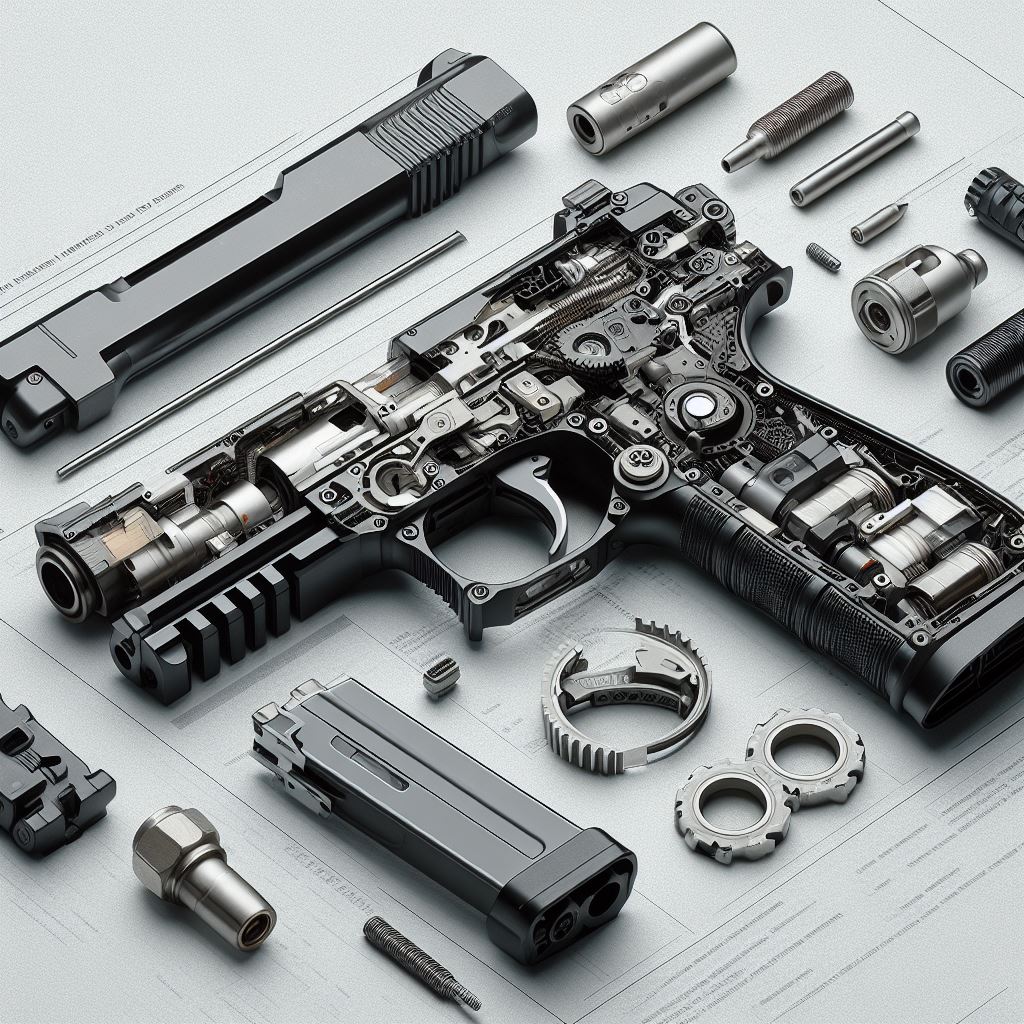
On February 21st, 2024, Baltimore City reached a settlement in its 2022 lawsuit against the country’s foremost creator of ghost guns — Polymer80.5 Privately assembled firearms, colloquially called ghost guns, are not registered in databases, nor are they equipped with serial numbers.6 Their obscured origin and ownership makes tracing ghost guns nearly impossible for law enforcement agencies—especially when convicts and children use these weapons.7 Despite the issues ghost guns pose, obtaining and making these guns is easy.8 Ghost guns building kits can be bought online, and the videos demonstrating their assembly can be found on YouTube.9 Polymer80 is the largest online manufacturer and seller of these kits.10 Polymer80 has repeatedly faced lawsuits over its business practices.11 In 2023, Polymer80 settled a lawsuit with Los Angeles in which the company agreed to stop selling in California altogether and pay an astonishing $5 million penalty.12
Similarly, in Baltimore City’s lawsuit, Polymer80 agreed to stop selling its products in Maryland and pay the City $1.2 million; however, the company also acquiesced to regularly documenting and reporting its compliance to the City.13 Polymer80’s presence in Baltimore is staggering, having created 91 percent of the ghost guns recovered from January 2020 to April 2022.14 But Baltimore is not the only city plagued by Polymer80’s products.15 Nationally, from 2017 to 2021, over 88 percent of the ghost guns recovered by law enforcement agencies were produced by the company.16 Baltimore Mayor Brandon Scott characterized the settlement as a massive victory for the City and its attempts to reduce gun violence.17 The settlement is well timed, too, as Baltimore has already recovered 30 percent more ghost guns than it did this time last year.18
Litigation involving firearms has become increasingly popular19 ever since the U.S. Supreme Court’s ruling in New York State Rifle & Pistol Association Inc. v. Bruen.20 The Bruen Court invalidated a decades-old New York gun statute’s “proper cause” requirement for “violat[ing] the Fourteenth Amendment in that it prevents law-abiding citizens with ordinary self-defense needs from exercising their [Second Amendment] right . . . .”21 Strikingly, the Bruen Court altered the constitutional test a statute must pass in order to regulate a person’s Second Amendment right.22 Previously, the Court applied a balancing test between the government’s interest and the Second Amendment right.23 The Court now applies a “text-and-history” test, requiring the government to establish that the firearm regulation at issue aligns with historical firearm regulations.24 Since Bruen, two Maryland gun laws have been constitutionally challenged in federal court and, unfortunately, ruled unconstitutional.25
On the other hand, the City of Los Angeles, the District of Columbia, Philadelphia, and Baltimore City have successfully prevented Polymer80 from selling its products within their respective jurisdictions and received a substantial financial settlement by filing lawsuits against the company.26 In the future, given the challenges Maryland has faced in passing and sustaining its legislative gun control measures and in light of the recent settlement achieved by Baltimore City, pursuing more lawsuits against manufacturers like Polymer80 may be the more effective and lucrative route to take when it comes to combating gun violence in Maryland.
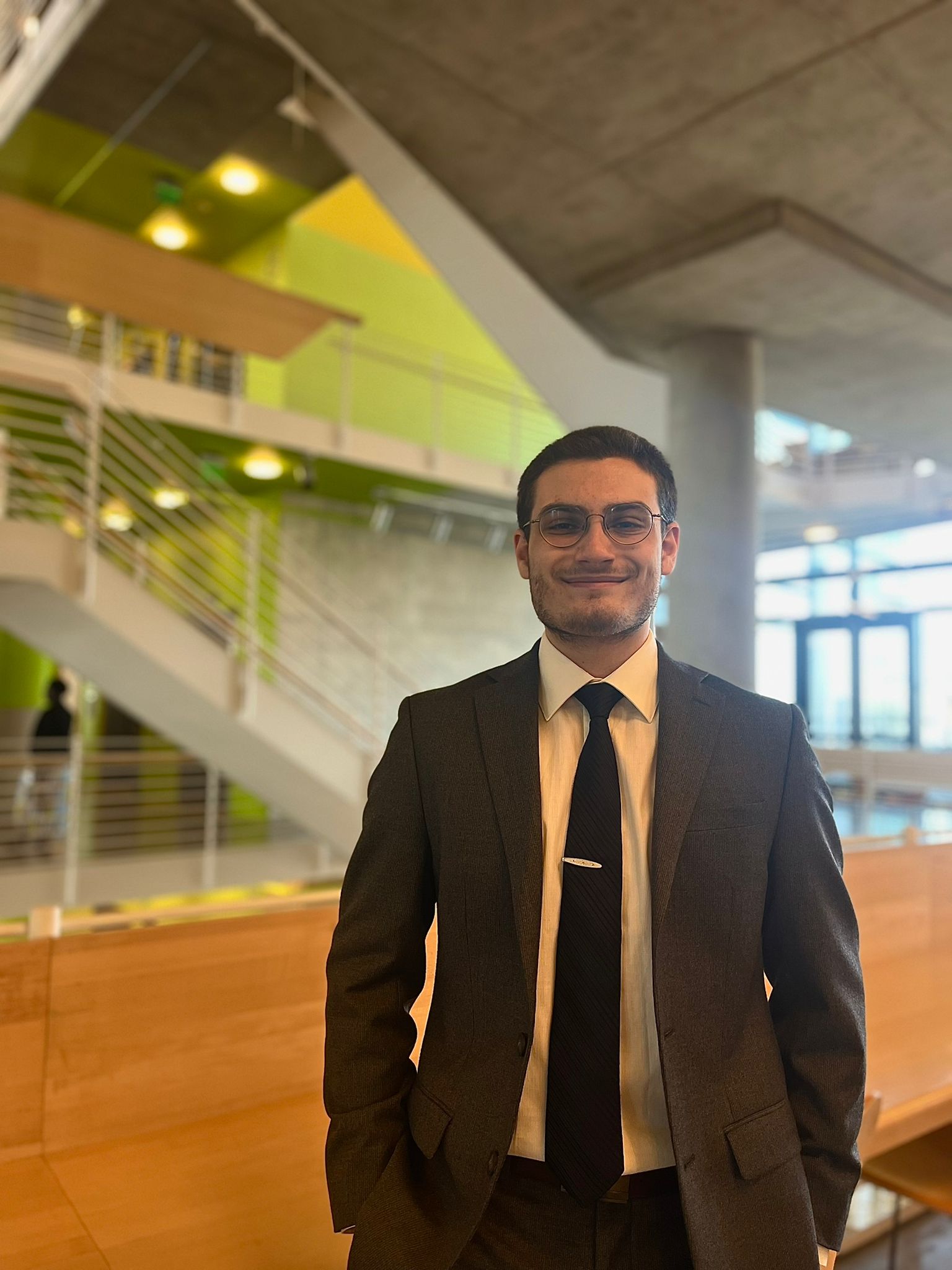
Emmett Hallameyer is a second-year day student at the University of Baltimore School of Law and a First-Year Staff Editor for Law Forum. Emmett graduated from Stevenson University Magna Cum Laude in 2021 with a B.S. in legal studies. Emmett is also a member of the law school’s National Trial Competition Team and a law scholar for criminal law. Emmett interned for the Maryland Attorney General’s Organized Crime Unit before law school, and upon graduation, Emmett hopes to pursue a career in criminal law or civil rights law.


 ublawforum.com
Leave a comment