
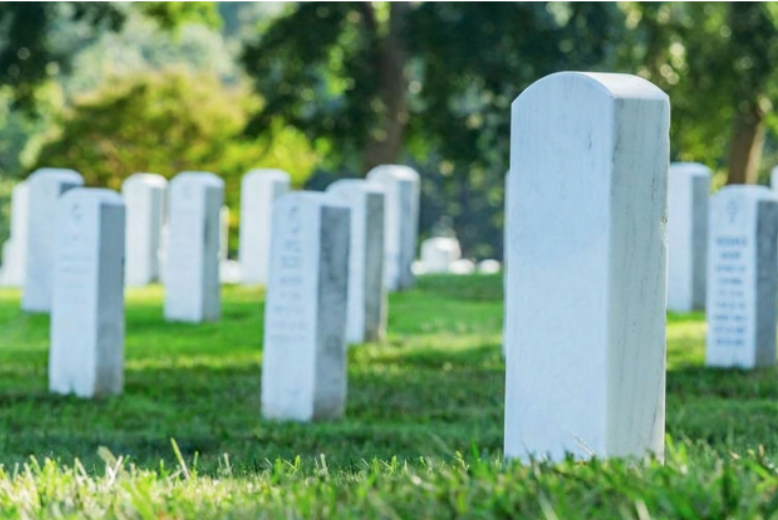
The laws of sepulcher, burial grounds, and human remains embody one of the most ancient and sacred rights recognized in human history: the dignified treatment of the dead. These common law doctrines give next-of-kin the right to possess and bury the deceased, to determine who has authority over the disposition and final resting place of human remains, and allows them to bring private claims against third parties for interference with these rights. In Maryland, the development of these doctrines has often failed to keep pace with modern realities. As courts hesitate to articulate firm legal standards and legislative reforms stall or fail to go far enough; Maryland finds itself confronting a fragmented legal regime that leaves the living without recourse and the dead without protection.
In the past year alone, Maryland has witnessed legal challenges over the desecration of a historic African American burial ground, mishandling of human remains during disinterment, legislative efforts aimed at safeguarding sacred burial sites and increasing criminal penalties for acts of desecration, and crematory mismanagement in handling human remains. Together, these developments highlight the fact that the laws of sepulcher, burial grounds, and human remains are still developing and must continue to evolve to meet the demands of modern ethical, cultural, and legal expectations surrounding the treatment of the dead.
This article examines the current state of the laws of sepulcher, burial grounds, and human remains, first, by providing a brief overview of these doctrines in Maryland. Then the article explains these doctrines through the lens of recent caselaw developed in Bethesda African Cemetery Coalition et al. v. Housing Opportunities Commission of Montgomery County, offering a historical overview of the law governing burial grounds and interprets the provisions of Maryland Code Annotated, Business Regulation Article, Section 5-505, (“Bus. Reg. Section 5-505”) and Osiris Holding of Maryland LLC et al. v. Daniels, which established the standard of care for cemetery operators. Next, the article provides an overview of both enacted and failed legislative efforts from the 2025 General Assembly session. Finally, the article reviews recent instances of crematorium mishandling and evaluates how these failures can be remedied through state action and private litigation. Taken together, the matters explored in this article highlight the need for this area of law to continue to evolve to reflect contemporary ethical standards, protect historical burial grounds, and ensure consistent and dignified treatment of the dead.
The goal of this article is to shed light on these evolving areas of law, clarify the legal frameworks currently in place, and identify where gaps remain. By examining recent cases, legislative activity, and real-world controversies, this article also aims to inform ongoing conversations and support thoughtful reform in the care and custody of the dead. As Maryland confronts new challenges involving the treatment of human remains and the protection of historic burial grounds, Maryland jurisprudence requires a clearer and more cohesive legal approach to address issues arising in the laws of sepulcher, burial grounds, and human remains.
Read the entire article here.


 ublawforum.com
Leave a comment